
For our little rag-tag group of hikers, the goal was always going to be climb all of the 46 High Peaks (mission accomplished) – but outside of that broad declaration, we didn’t have a lot of direction or knowledge specific to all of the other hikes or activities in the Adirondacks. ADK winter hikes weren’t even on the radar initially.
I still remember to this day one of our very first ADK winter hikes up Giant Mountain – an incredibly difficult feat without snowshoes or spikes (which is a big no-no by the way), the looks we were getting had nothing to do with people being impressed or anything of the sort. We’ve learned a lot since then, and we’ve been up dozens of other peaks in the winter – with a much better grasp on how and where to go.
Another thing we discovered during our first few ADK winter hikes was that we’re probably never going to become winter 46ers – in a handful of ways winter hikes are easier – but in almost all of the other ways, they’re much harder. They also require a whole different set of specialized clothing and equipment. Before I even suggest any specific ADK winter hikes for newcomers, I think it would be best to go over a few “general recommendations” for having a good time and not freezing your butt off.
It might not be immediately obvious, but depending on what you’ve been wearing during your summer hikes, your existing footwear will not be sufficient for ADK winter hikes. Insulated, waterproof boots are an easy recommendation – or at the very least – pretty solid boots with some real warm socks. Shockingly, trail runners will not serve you well here. If that one seems like common sense to you, I’d say you’re on the right track.
Snowshoes and crampons are also pretty necessary here, and which one will serve you the best will depend a lot on the trail conditions and recent snowfall. There’s a surprising amount of nuance in the application, so let me hit you with some indisputable facts – which you can then extrapolate into your own decision making.
Layering is the key to a comfortable and safe winter hiking experience, and has everything to do with keeping a consistent and manageable body temperature throughout your ADK winter hikes. Too cold? You’re gonna freeze! Too hot? Well, you’ll also freeze once you stop moving and your sweat turns to ice! It really is an ongoing balancing act, but nothing too complicated or difficult to wrap your head around and adjust to as you go.
A big part of hike planning is figuring out how much water you’re going to carry, and where you’re going to end up filtering water. With winter ADK hikes, this equation is slightly complicated by the fact that filtering isn’t nearly as quick or easy. Of course, at the same time, you’re unlikely to need the same amount of water you would in the summer – but carrying too little will cause it to freeze faster (yes it does that, even in your bag, it’s pretty impressive in a natural kind of way.)
This is something you will need to work out on an experiential level and figure out what works best for you, but what I’ll say is this – those vacuum sealed bottles don’t seem to freeze in the way pretty much everything else does – and have been my favorite solution so far. Just be smart and understand what you’re getting yourself into.
Normally, a big deterrent for me on hikes is density and popularity, I really don’t like going somewhere to get away while also being surrounded by people. Sure, Indian Head is a really cool lookout, but significantly less so with 20+ people on it. In a bit of a twist – the opposite is true with ADK winter hikes, since the more people on the trail increases the likelihood of the trail being broken out and easily traversable.
Especially for your first few winter hikes, consider this to be an incredibly important factor – it’s about 2x more difficult to break trail than it is to follow someone else’s footsteps. A well broken winter trail up a peak can sometimes be easier than the summer counterpart, since the snow has a way of “leveling out” the trail. On the other hand, being the first on fresh snow can genuinely be two or three times more difficult.
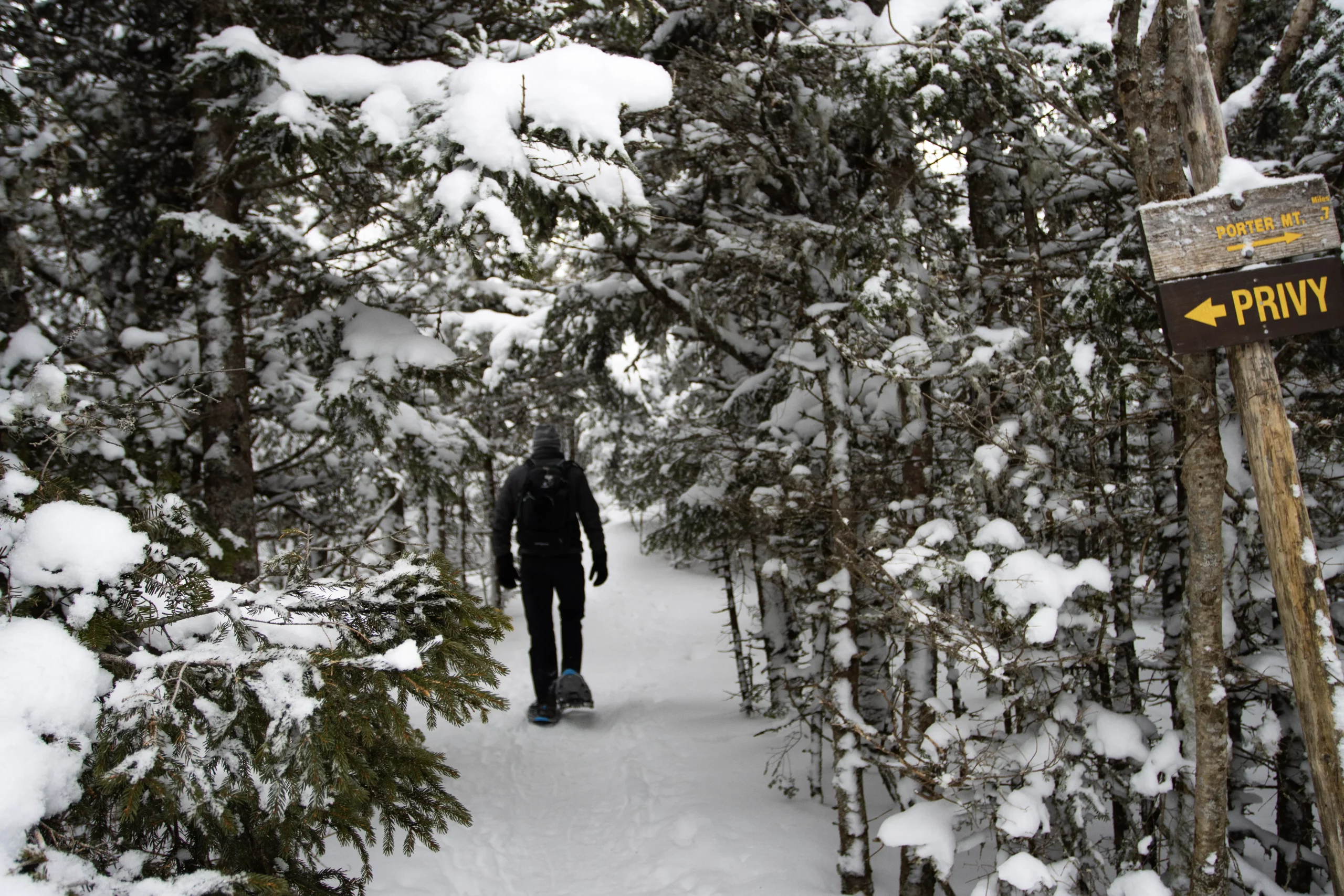
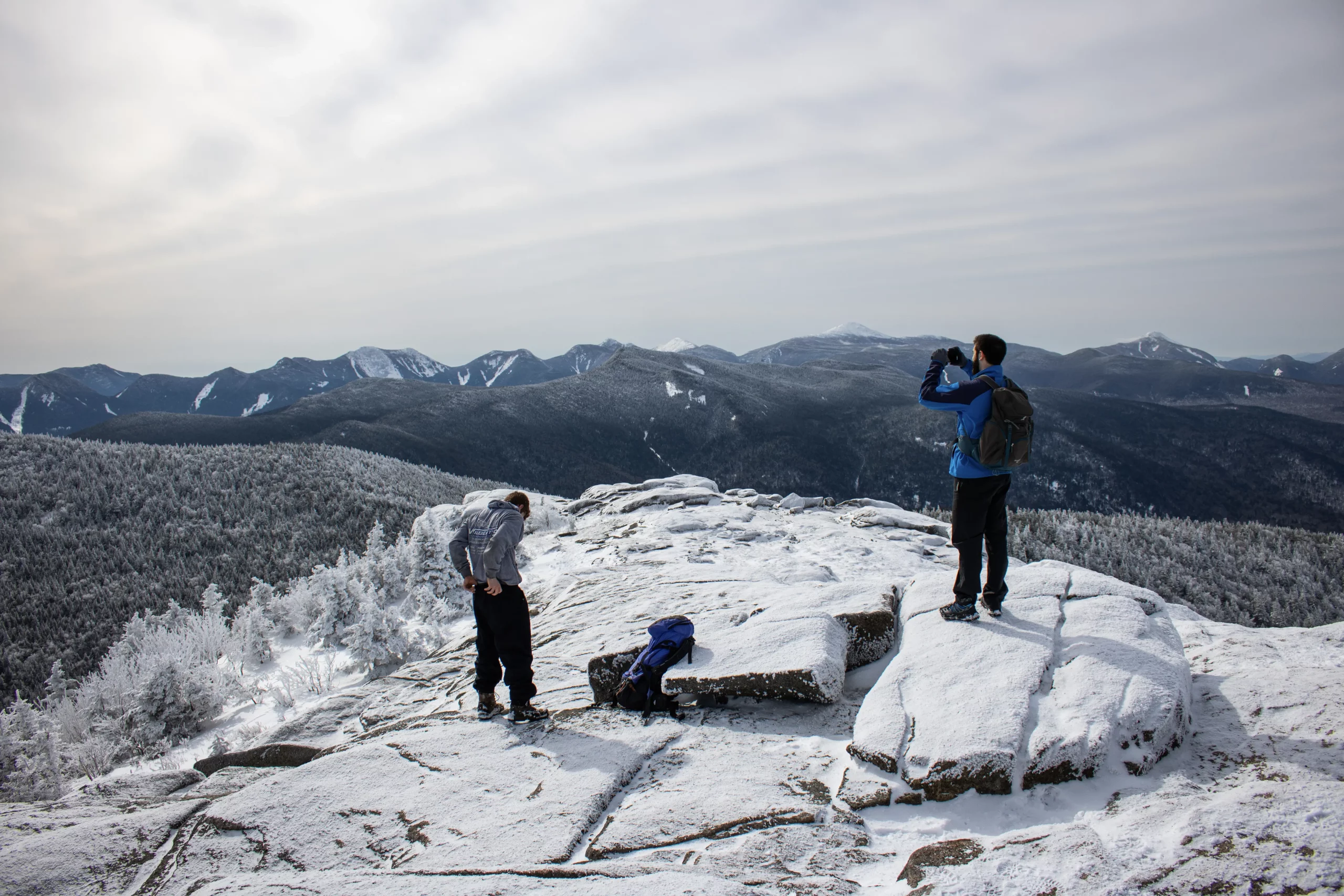
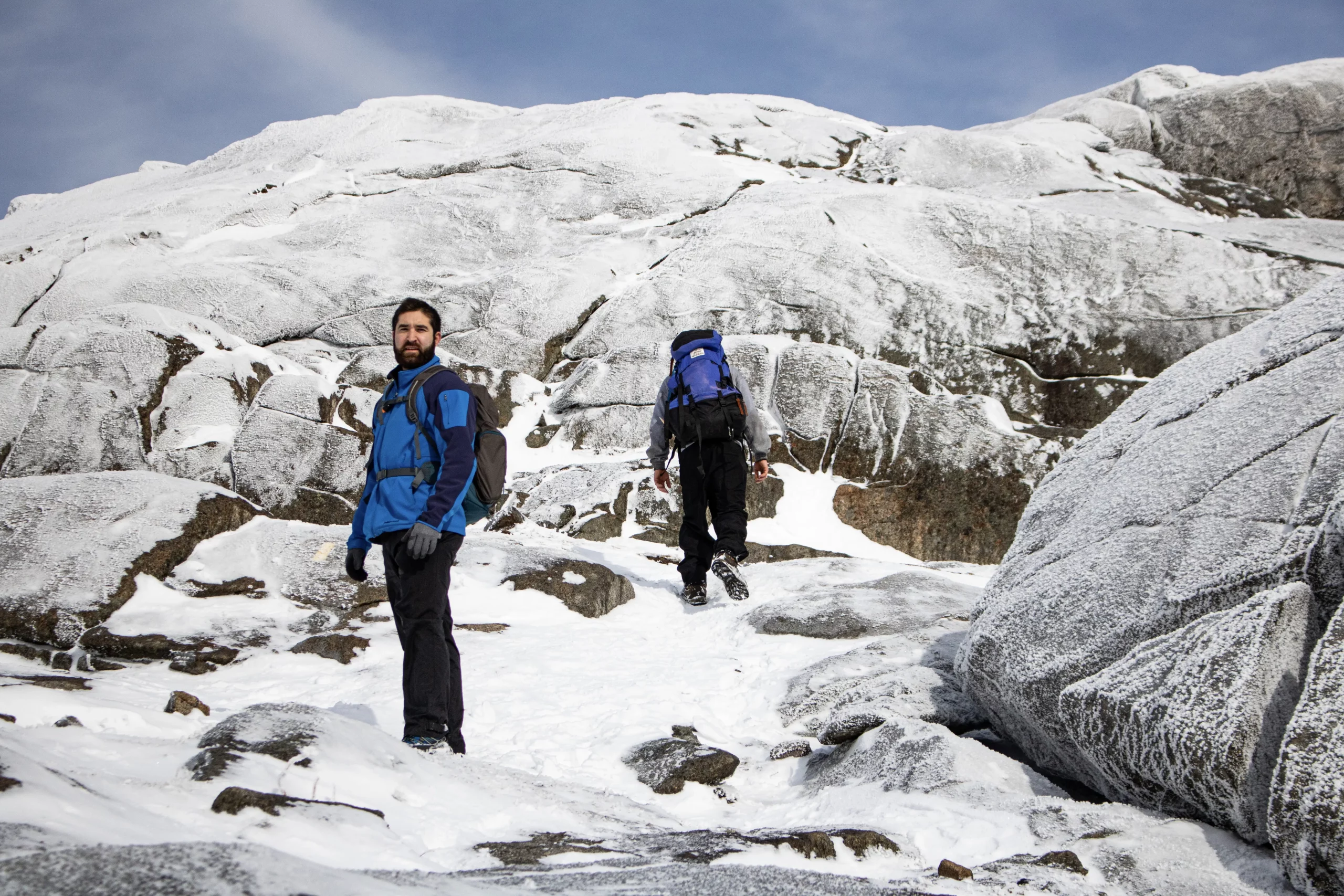
Cascade Mountain and Porter Mountain are two of the most popular High Peaks in the region, and for good reason – they’re easy. This one will almost always be broken out and will give you a good opportunity to get comfortable with ADK winter hiking. Because it is so popular, and because parking access has been limited over the years, this one can fill up pretty quick; make sure you get there early. On a nice January morning, I’d wager arriving before 7:30AM is a pretty good bet.
The gap in difficulty between Cascade and basically every other High Peak is pretty significant (it is much easier) – however, that doesn’t stop there from being dozens of rescues every year. This should be one of the safer ADK winter hikes – but you should still be well prepared and ready for a moderate physical challenge.
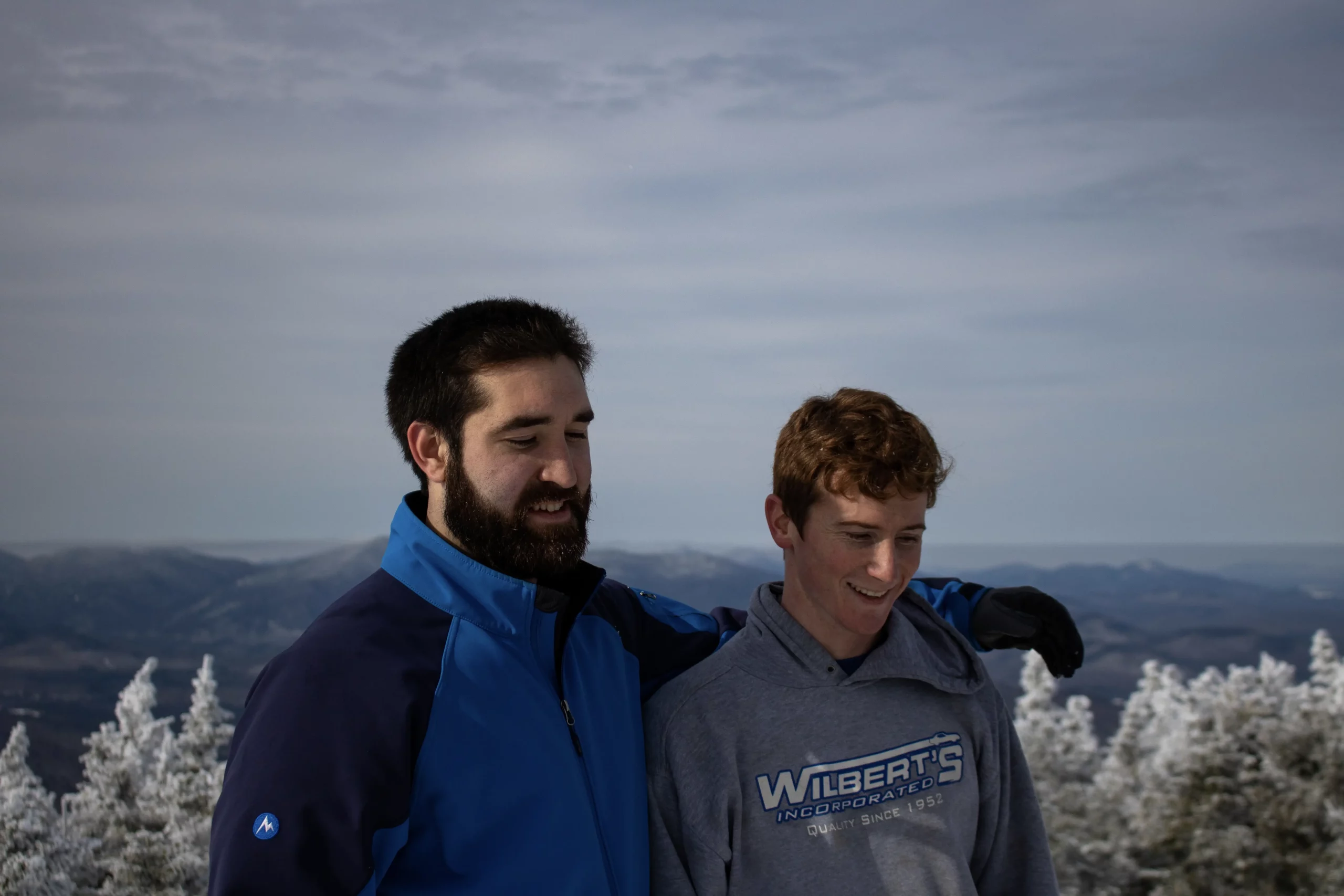
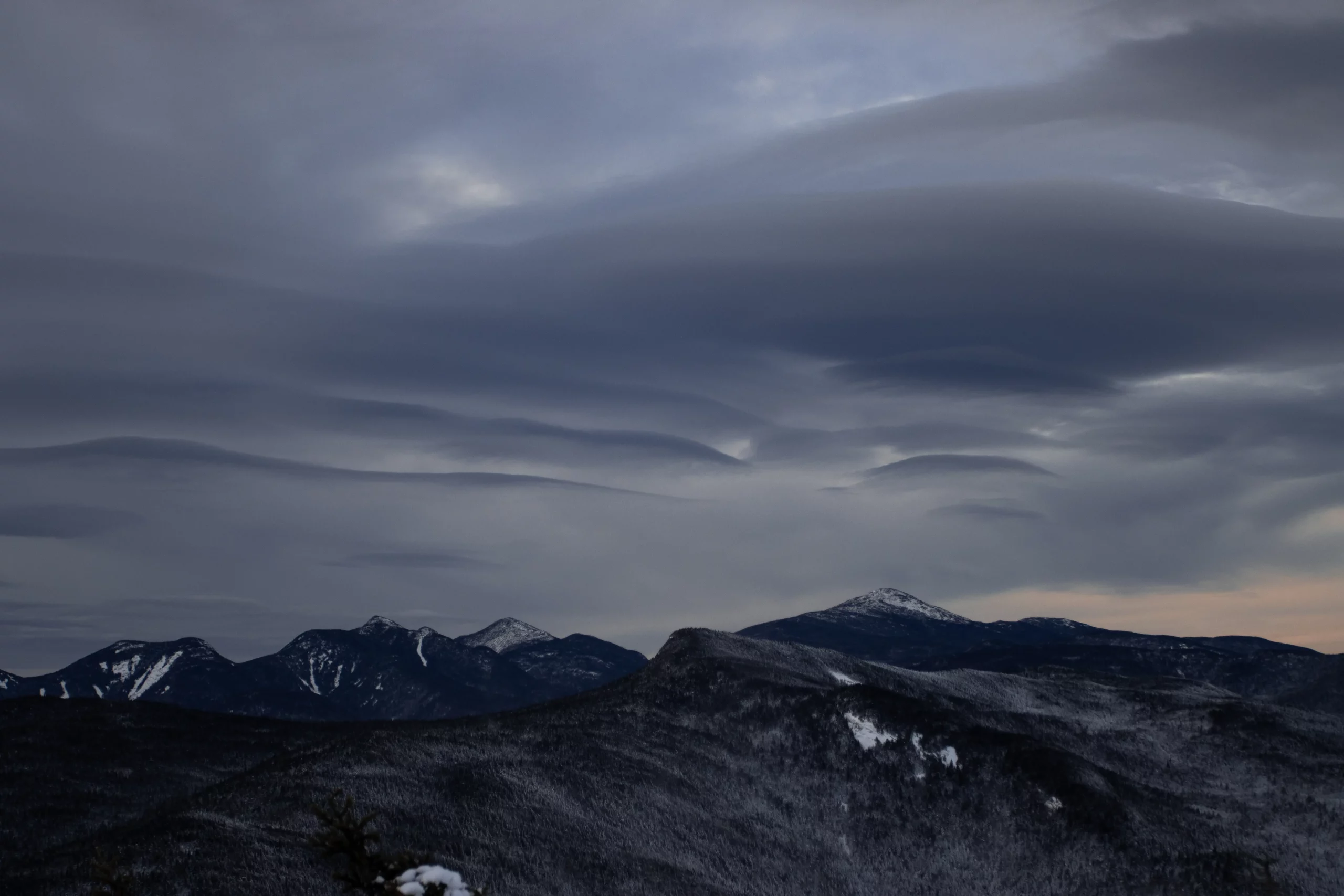
Almost every winter, without fail, we end up hitting at least a few Fire Towers, and they are always exceptional. St. Regis is an easy recommendation because it’s decently popular and its proximity to the nearby collage means that the parking lot will be plowed pretty regularly – which will not be the case everywhere. For Regis, and many others, the towers remain open during the winter which is a pretty incredible and chilling experience in its own right.
St. Regis is right around the middle in terms of Fire Tower difficulty, which also makes it a pretty ideal candidate. Easier hike like Goodnow, Kane or Poke-O-Moonshine would be better candidates for people who are looking for easier ADK winter hikes while something like Snowy presents more of a challenge.


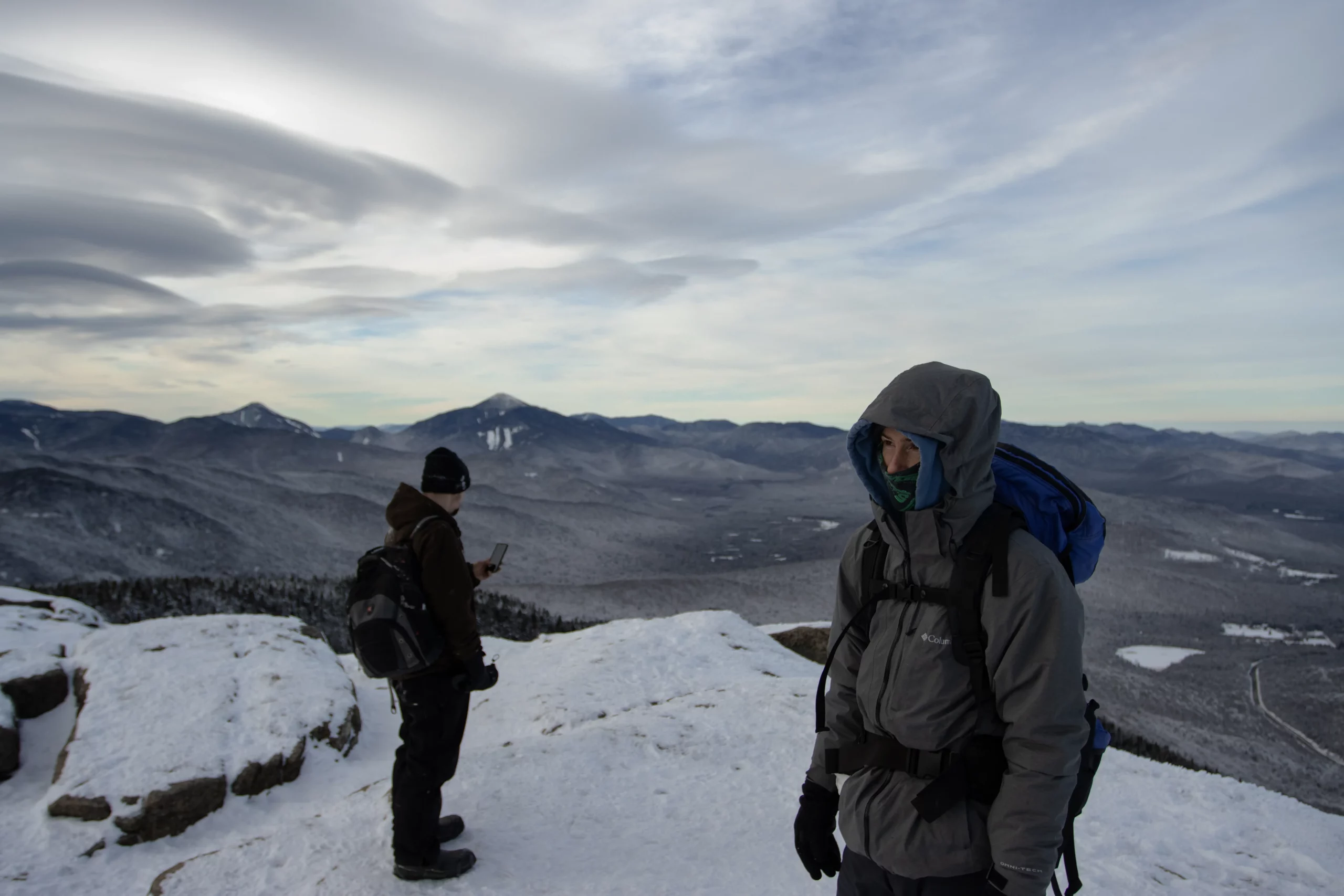
My favorite singular hiking memory of all time came from a January where we summited Marcy during a white-out. Unbelievably cold, insane and awesome – do not do it under those conditions, frankly it was dangerous and stupid – but do-do it during a nice and clear day if you manage to find one. Plan ahead, pivot to something else if the weather is looking bad, and be prepared for incredibly intense winds.
Marcy being one of the more difficult ADK winter hikes is a common misconception because it is the tallest – in reality Marcy is a pretty smooth, albeit long, day trek that is frequently packed out and easy to follow. Granted, weather conditions can change on a dime above the tree line, but the average hiker with some experience (not necessarily ADK winter hikes experience) should be able to manage this one.
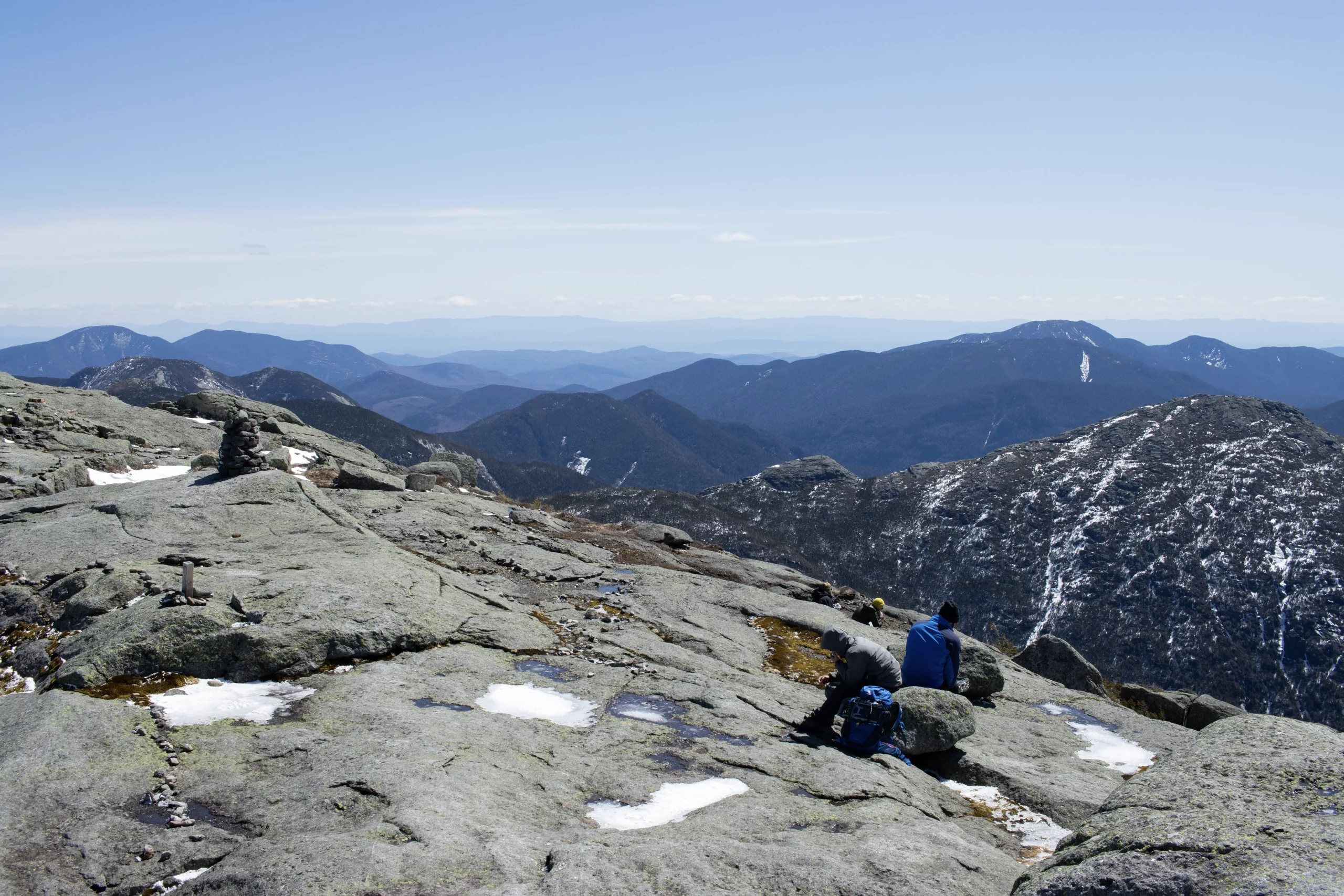

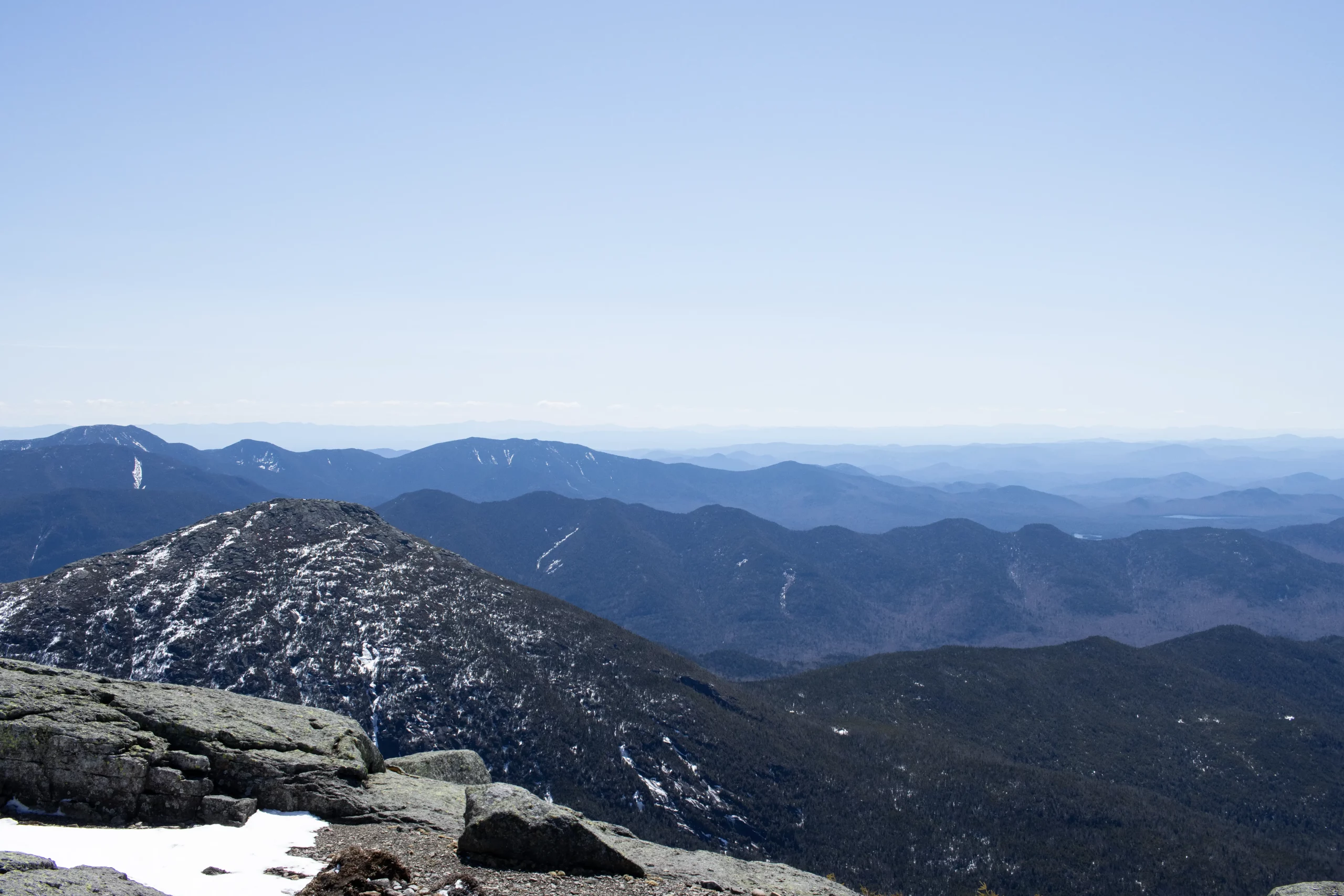
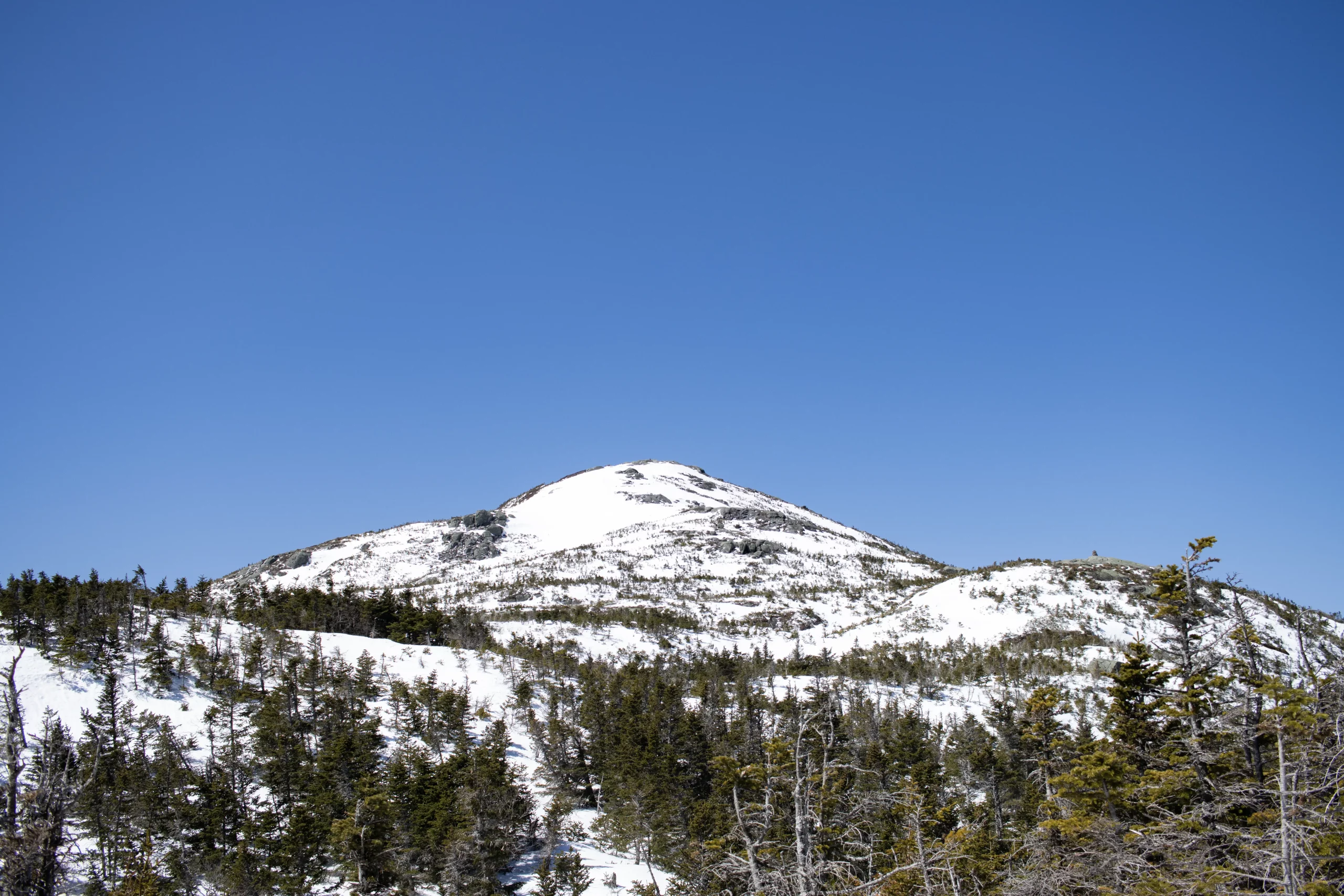
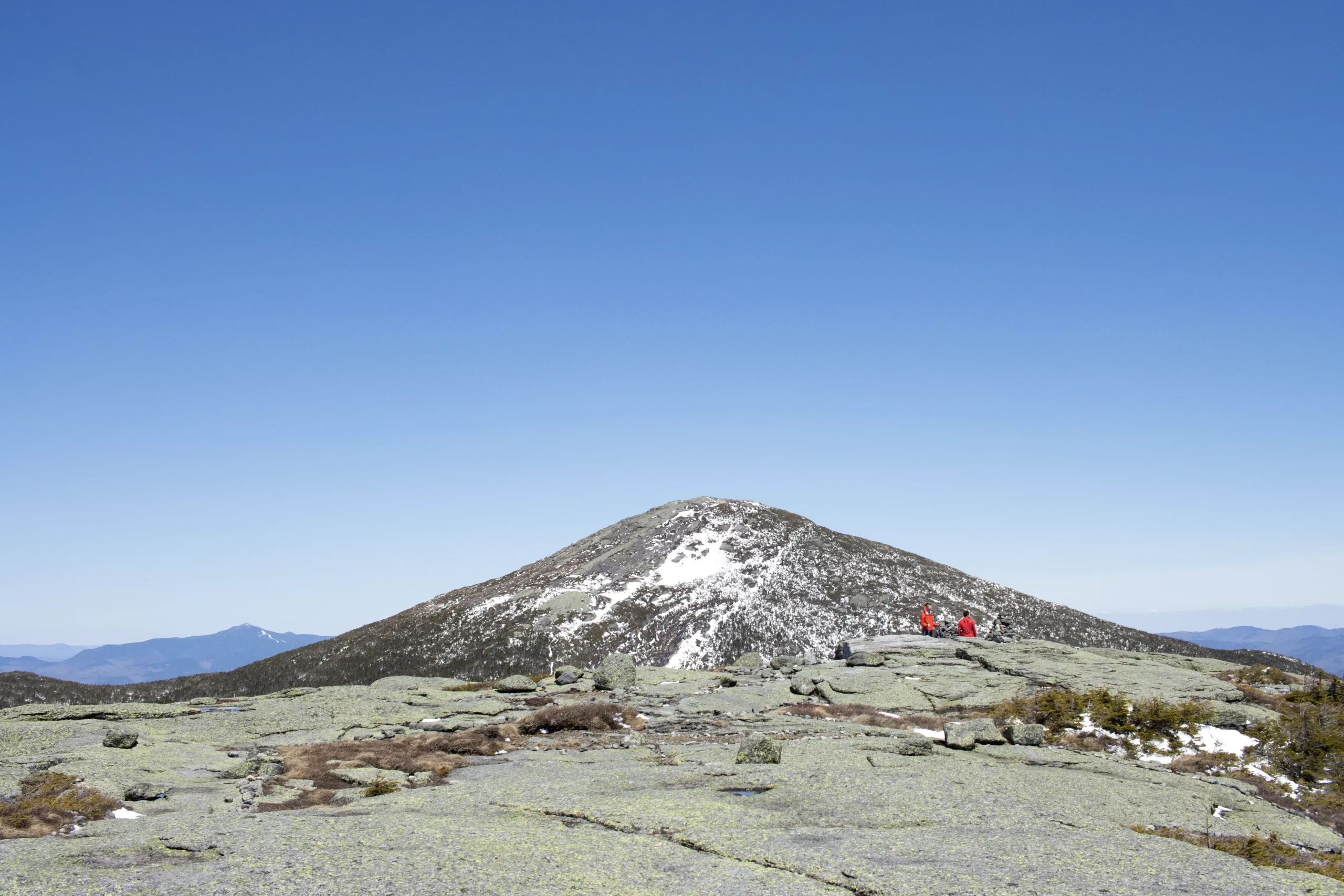
There are plenty of great hikes from the ADK LOJ that would be easy to recommend, and something like Phelps Mountain or even Mt. Joe would be a lot easier than Mount Marcy (as much as we love it). A good rule of thumb to keep in mind is that popularity improves trail conditions – so these LOJ hikes will almost always be solid. Even if you decide to make your first ADK winter hikes some peaks that aren’t on this list, almost anything from the LOJ is a safe bet.
The trip up to Marcy Dam tends to be smooth all winter, and there are generally a pretty good number of people and park rangers on the trail up, some on snowshoes and others on skis! The difficulty up to the dam is incredibly manageable, but the final mile or so up to the peak of phelps is considerably more difficult.
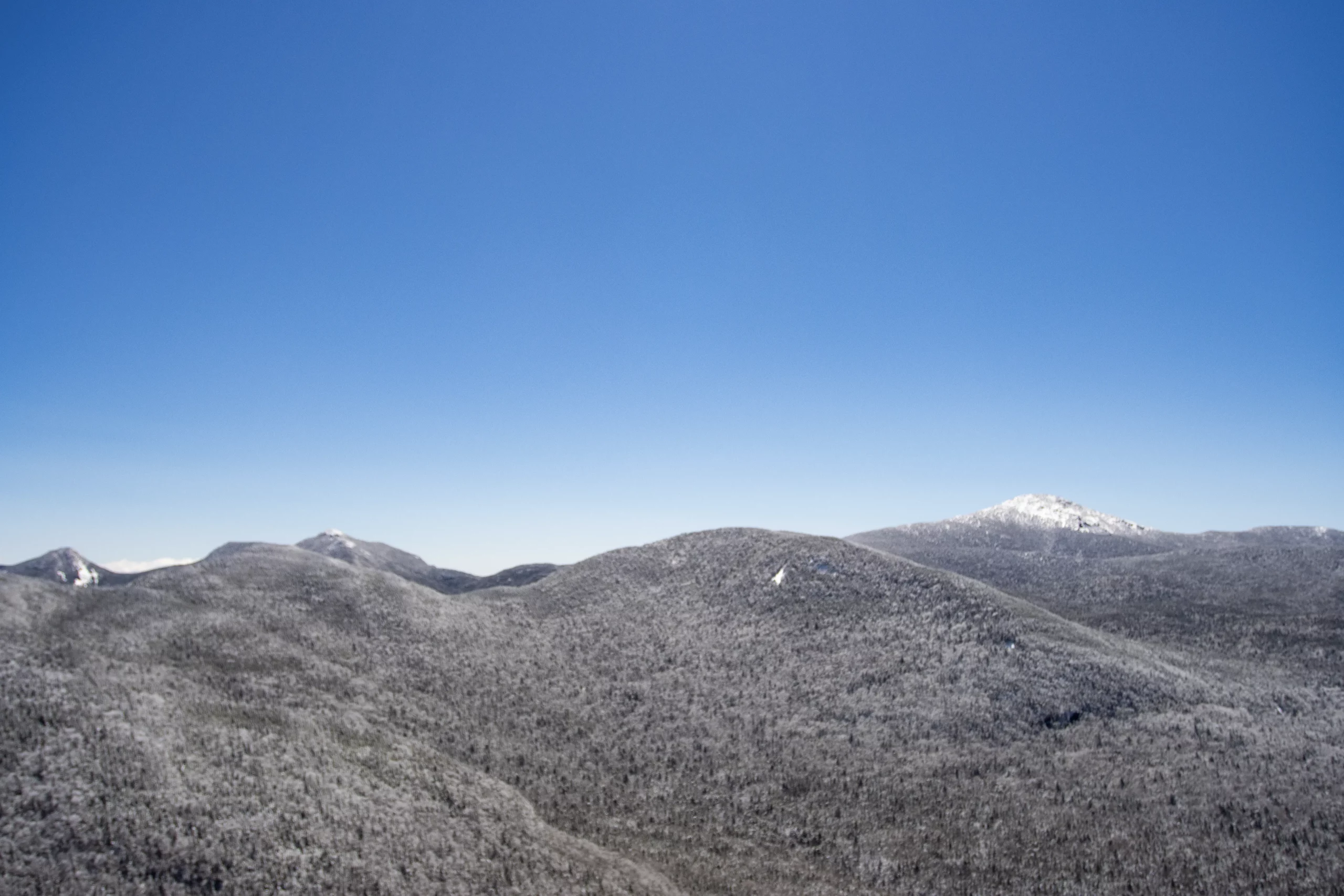
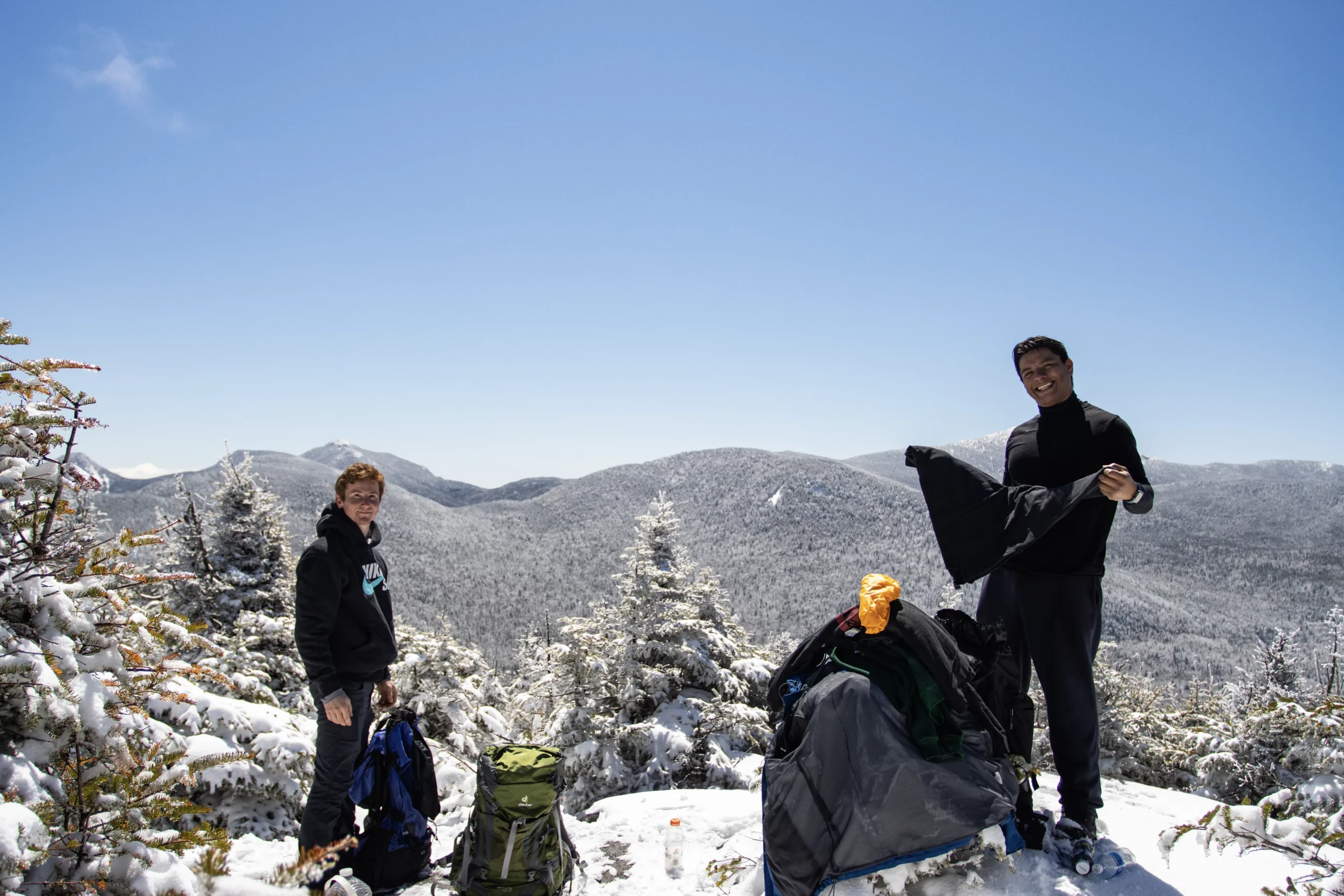
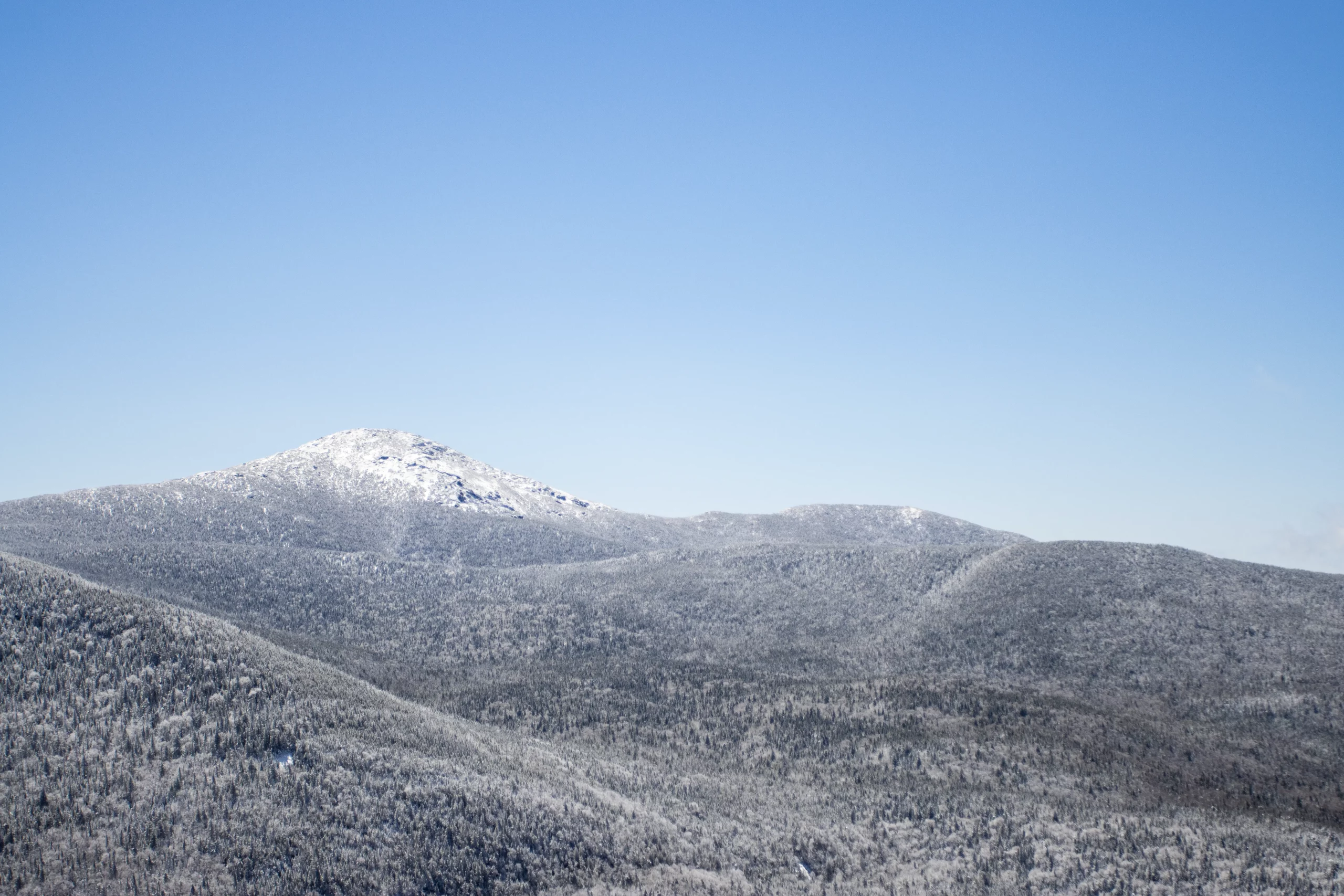
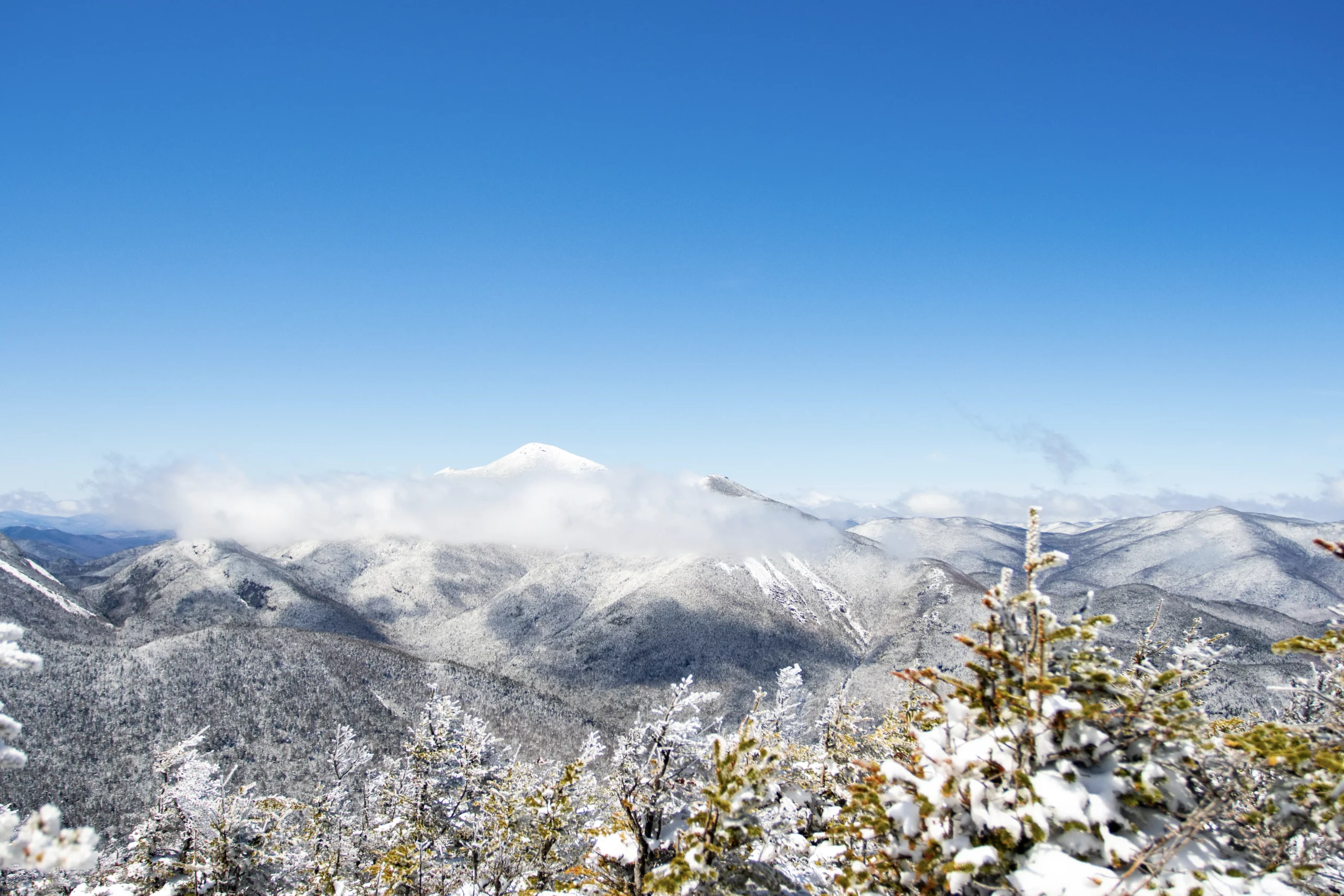
I’ll be wrapping up these suggestions with two more ADK winter hikes up to Fire Towers, which are also almost universally a good call as long as they are accessible and the tower cabin is open. Goodnow is an easy and pleasant hike, one where your only views will be from the Tower. This one is kind of indicative of what good ADK winter hikes should be for a beginner, relatively easy and hopefully some good views.
Goodnow is about 4 miles total and about 1,000 feet in elevation gain – this could be a bit difficult for the relatively inexperienced, but even those individuals should be able to handle this. This will only total a few hours at most for even new hikers, and makes an excellent early morning climb.
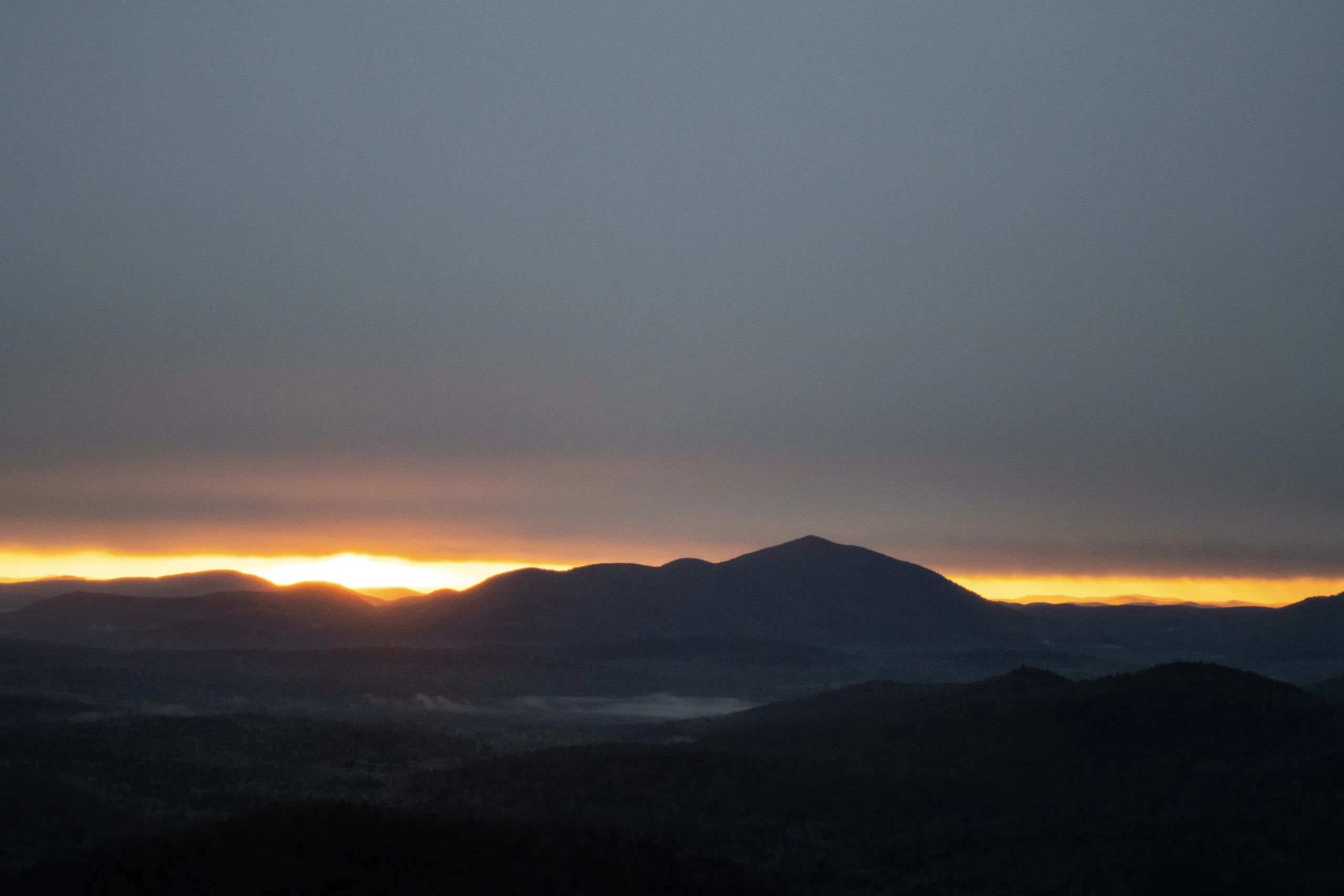
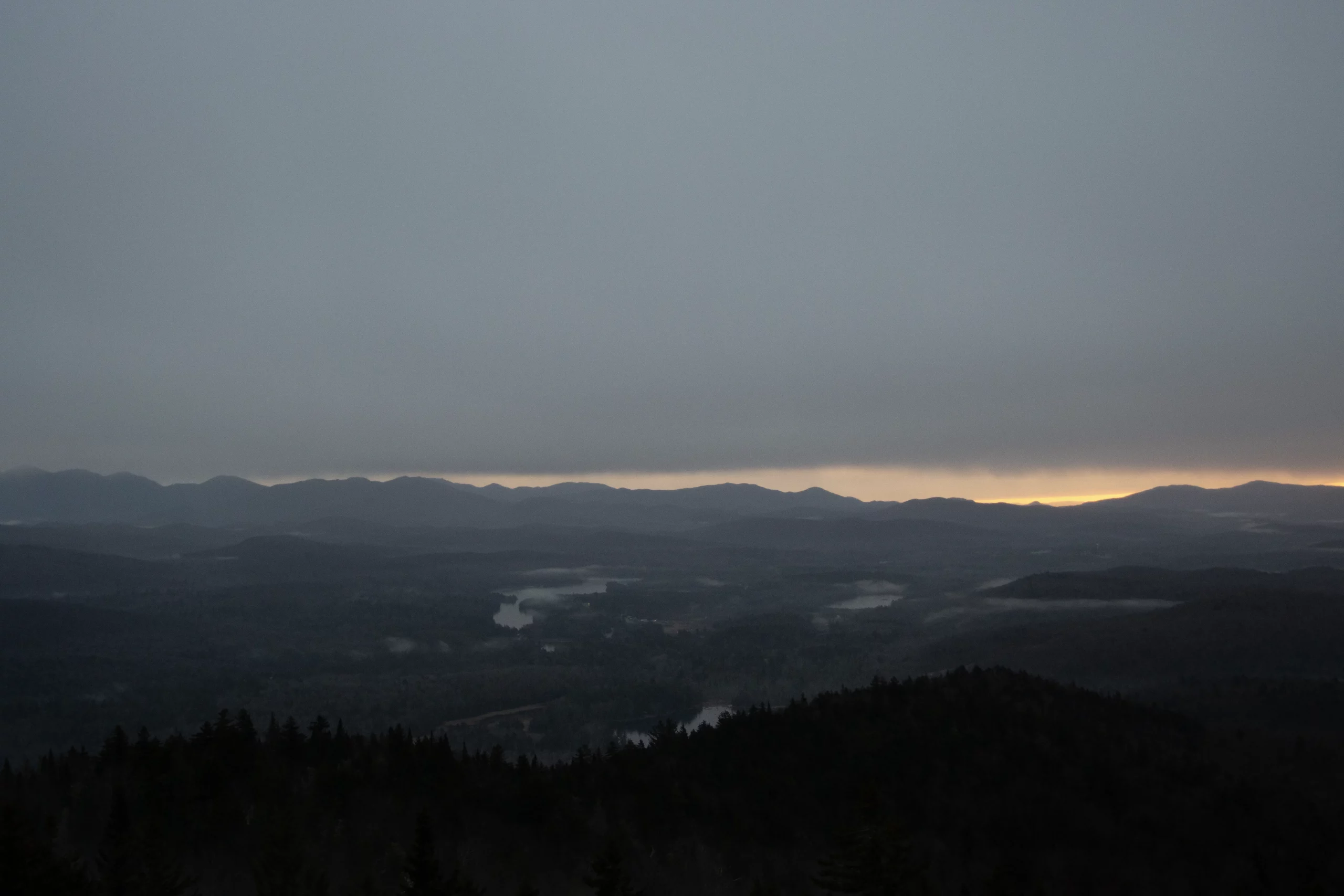
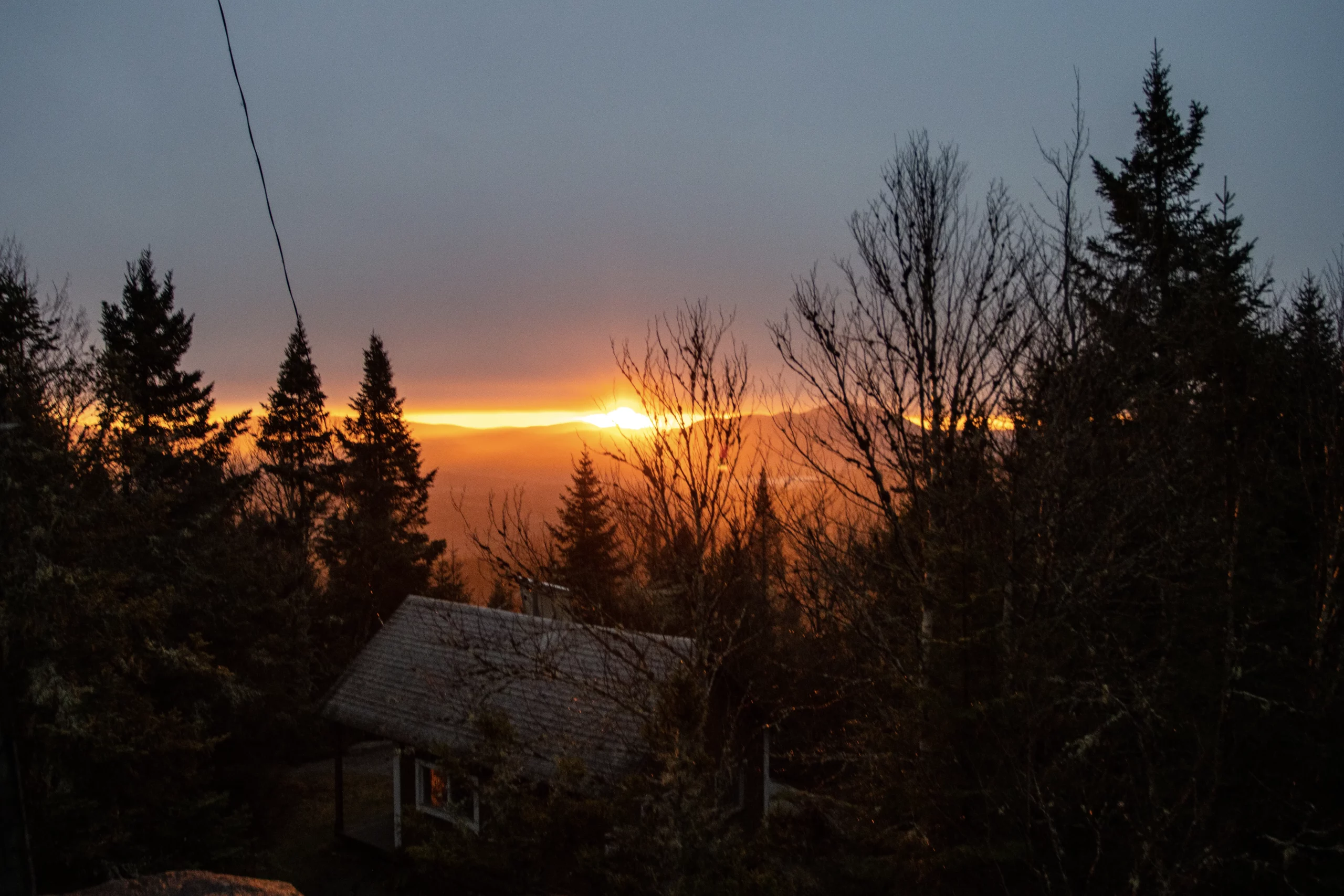
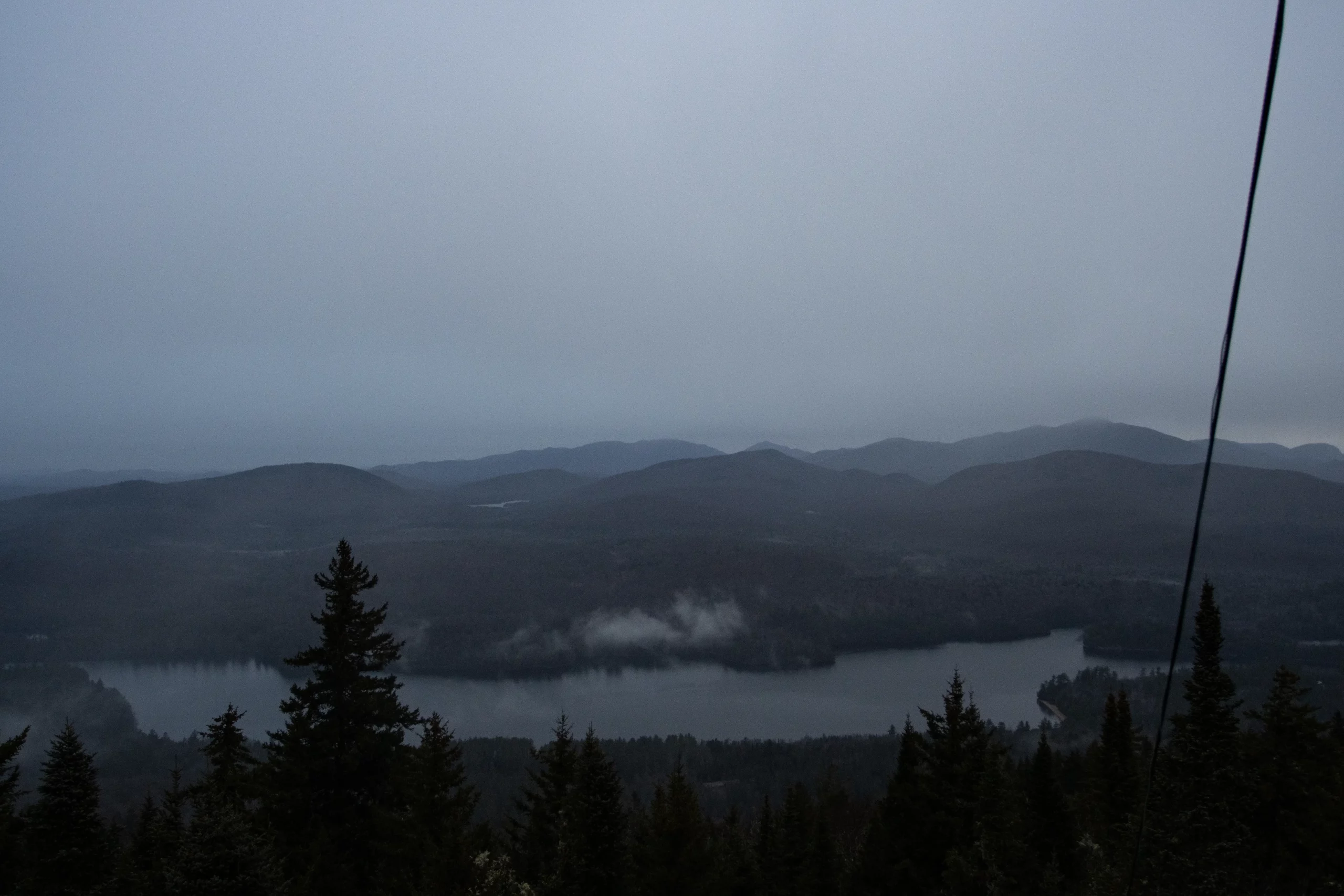
Everything that was true of Goodnow is also true of Kane – and frankly, there aren’t too many hiking experiences that are as unique or cathartic as watching a late sunrise from a fire tower on a cool January or February morning – peek ADK winter hikes experience. Kane is another relatively short, relatively accessible Fire Tower that shouldn’t put up too much of a fight and should help you get comfortable with snowshoeing. Anything like this – especially the ones with road-side trail heads – are generally going to work out pretty well.

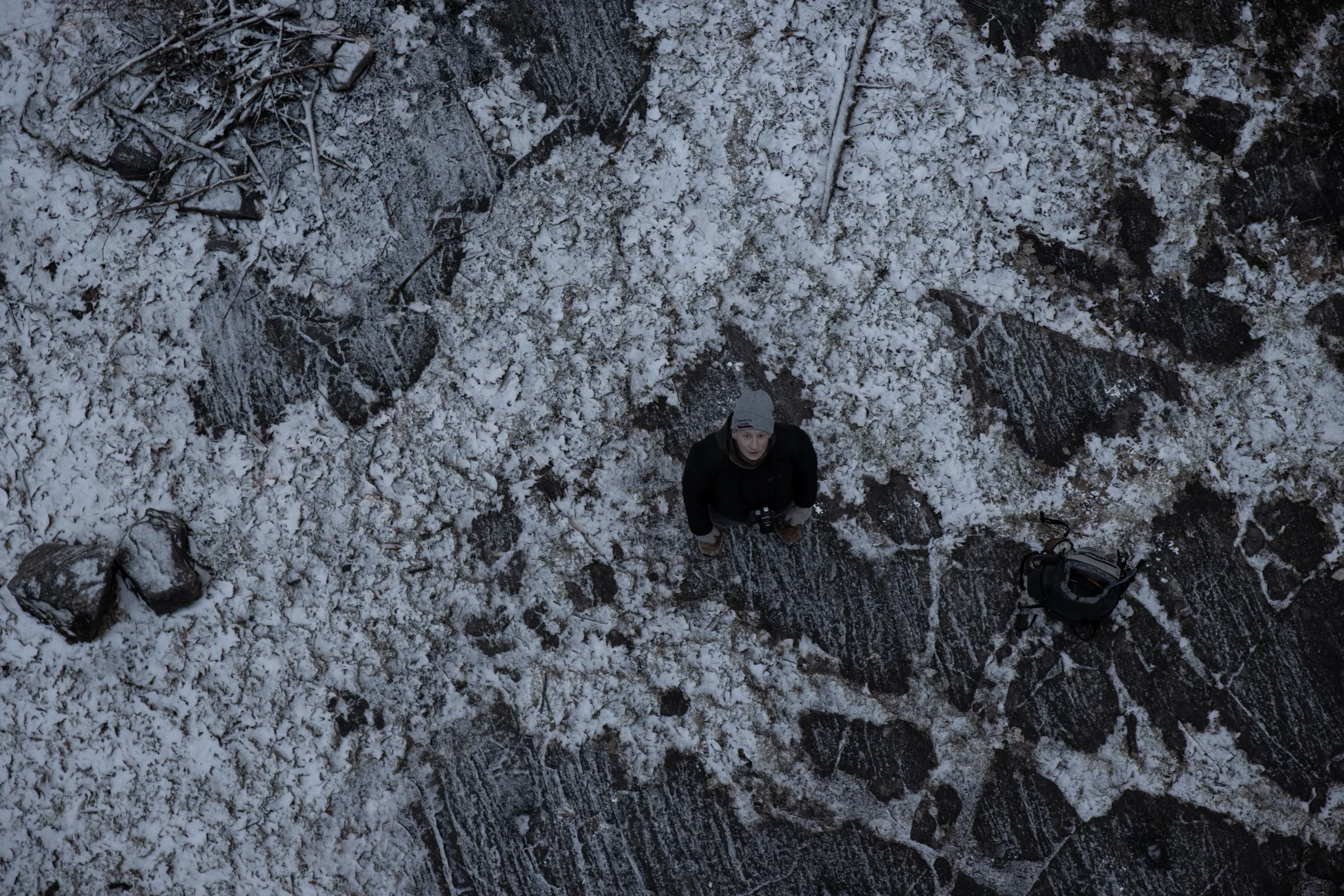
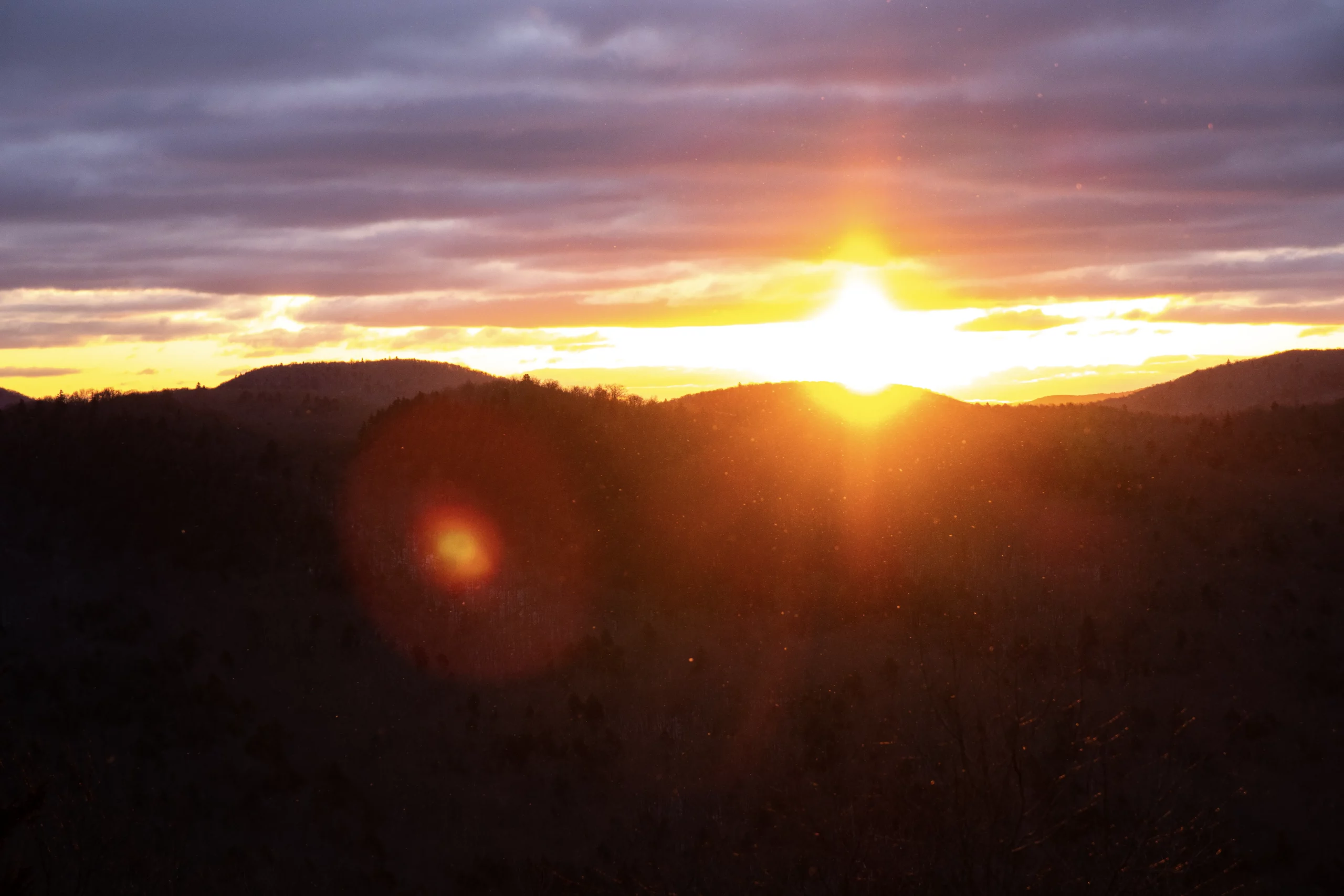
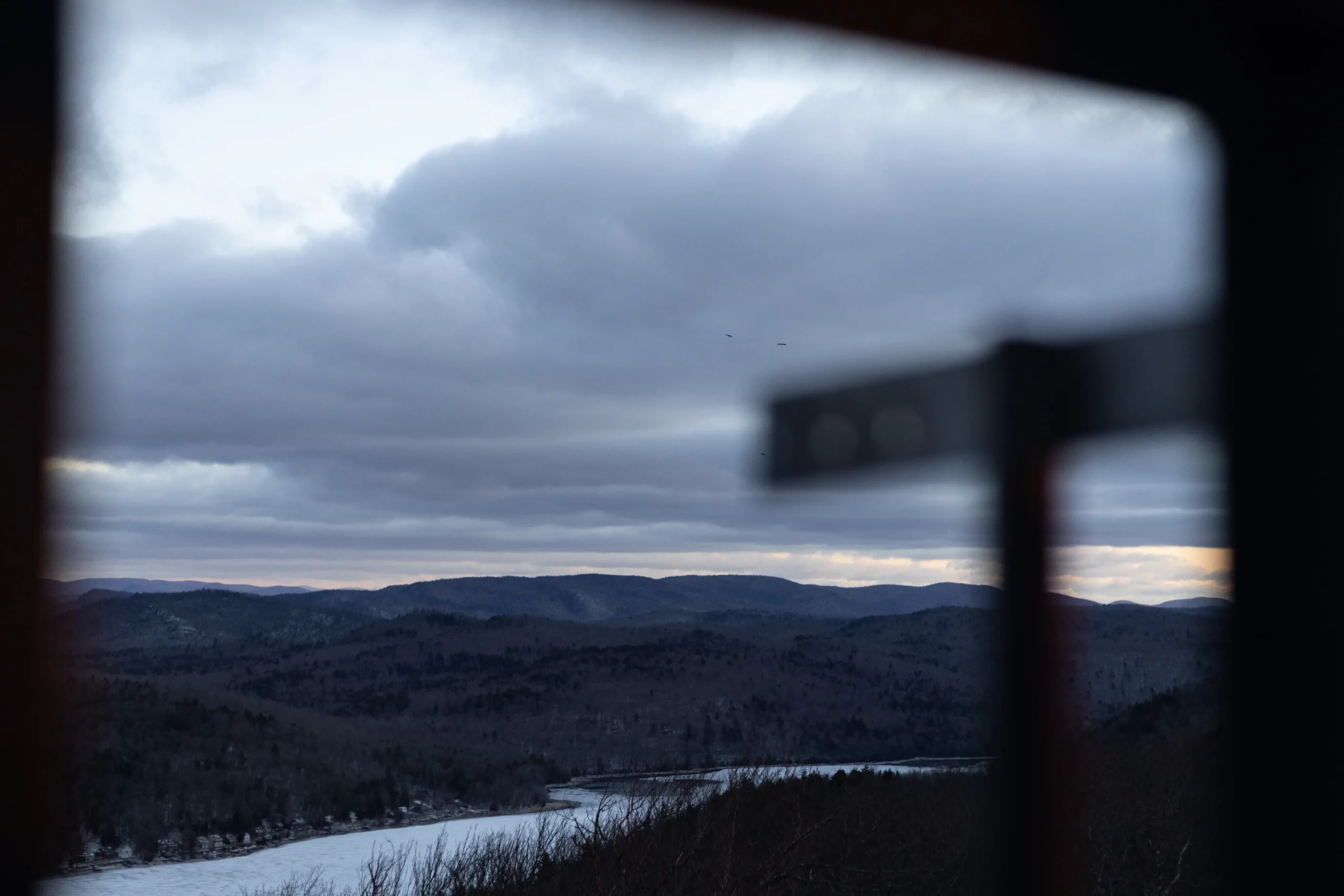
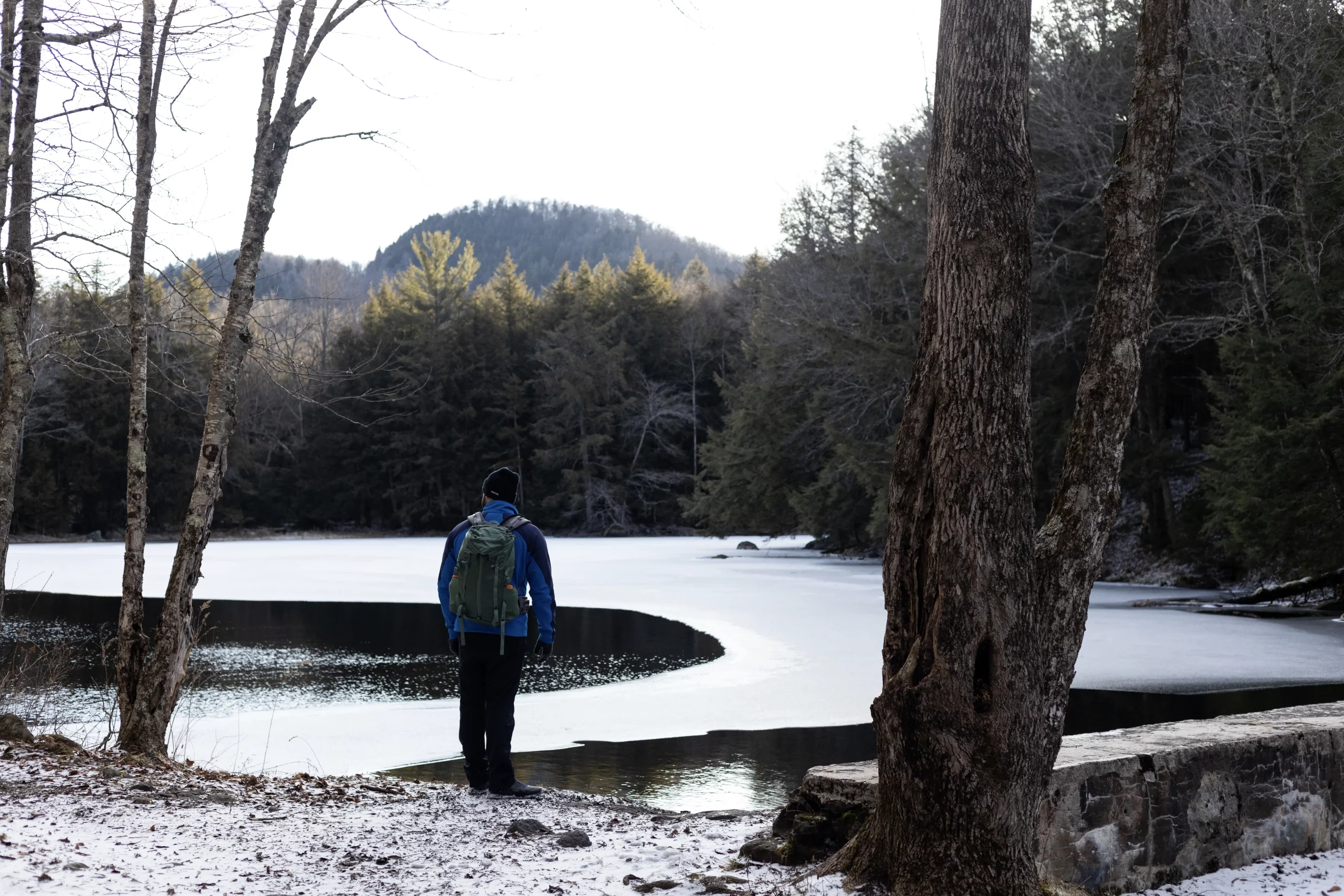
Because Giant Mountain and Hurricane Mountain are both among my favorites, I want to leave them off these guide and highlight some other hikes that are great candidates for ADK winter hikes, especially for beginners. That being said, both are absolutely fantastic winter hikes.